
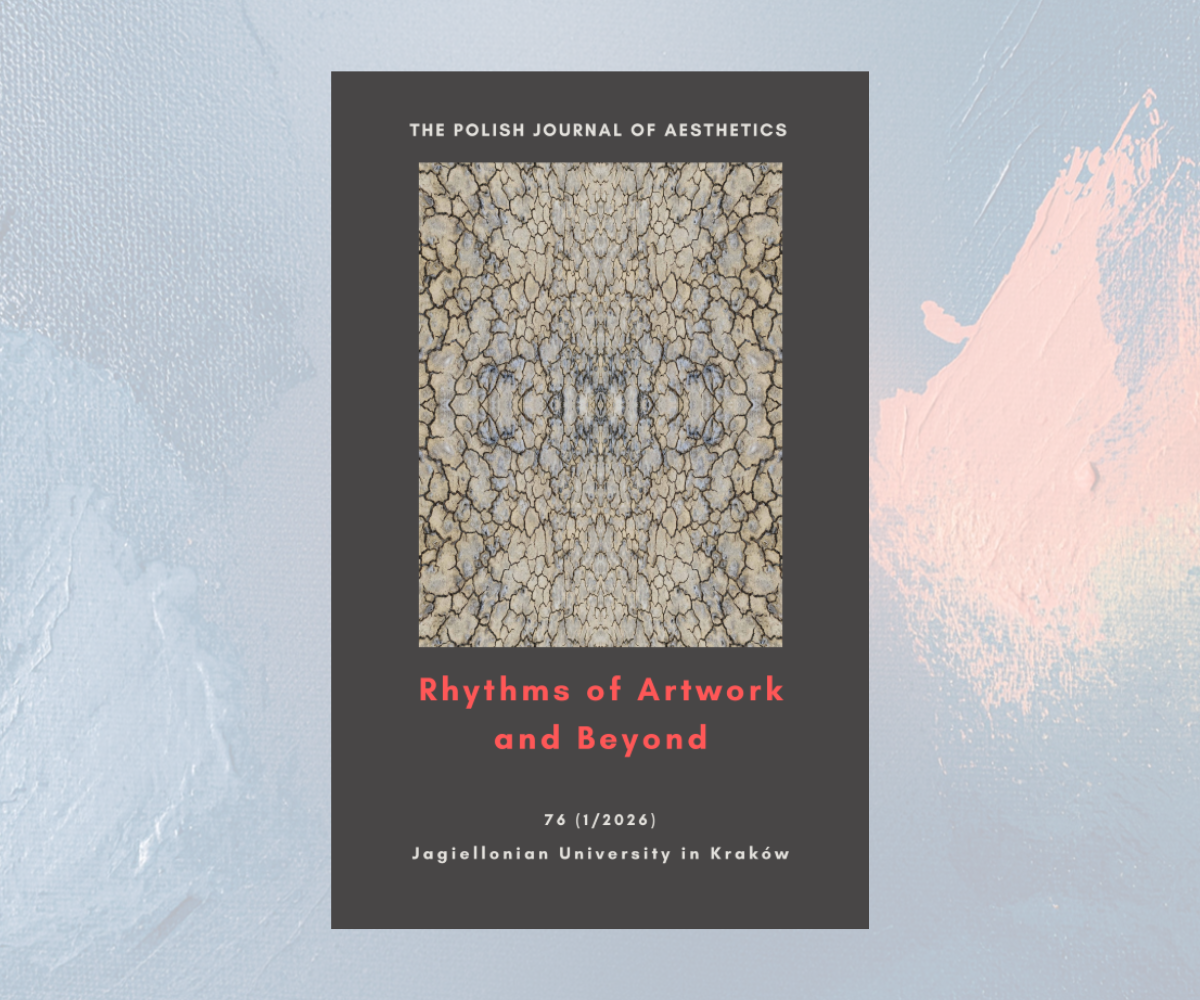
The central research idea is to broaden the traditional understanding of rhythm. Alongside rhythm as a structure of regular repetition, the concept of rhuthmos is highlighted, denoting a continuous flow, movement and a changing world order. This approach allows rhythm to be viewed as a process that unites people, society, art, technology and the environment. The collection explores a diverse range of themes – the experience of space and time, dance and performance, the philosophy of cinema, painting, literature, images generated by artificial intelligence, sound art and sound ecology, the philosophy of water, salt and air, the rhythms of breathing, silence, the rhythms of bee and honey formation, as well as the relationship between humans and nature. The authors analyse how rhythm shapes human experience, influences society and helps us understand the dynamic changes in the modern world. Research into rhythm is becoming a significant interdisciplinary field of study – it encourages us to rethink humanity’s place in a world where the rhythms of nature, culture, technology and social processes are becoming ever more closely intertwined.
As part of this issue, articles by 20 authors have been published; researchers from the Faculty of Humanities at the University of Latvia – aivis Bičevskis, Elvīra Šimfa, Anne Sauka, Māris Kūlis un Maija Kūle – have also contributed.
The special issue was supported by Jagiellonian University in Kraków and the editorial board of The Polish Journal of Aesthetics, the University of Latvia, the Science and Research Centre in Koper, the Latvian State Culture Capital Foundation and the Slovenian Research and Innovation Agency.
The special issue “Rhythms of Artwork and Beyond” is freely available online on the website of The Polish Journal of Aesthetics.
).)